
Unlocking the Mind Understanding the Psychology Behind Gambling
Unlocking the Mind Understanding the Psychology Behind Gambling
The Allure of Gambling
Gambling has captivated human beings for centuries, driven by the thrilling combination of chance and risk. The psychological allure stems from the hope of winning, which can evoke intense emotions. This excitement triggers the brain’s reward system, releasing dopamine, a neurotransmitter associated with pleasure and reinforcement. As players experience wins, their desire to chase that high intensifies, often leading to repeated gambling behavior despite potential losses. In this context, it’s worth exploring platforms like https://crazyluckcasino-uk.com/ to see how different environments can enhance the gambling experience.
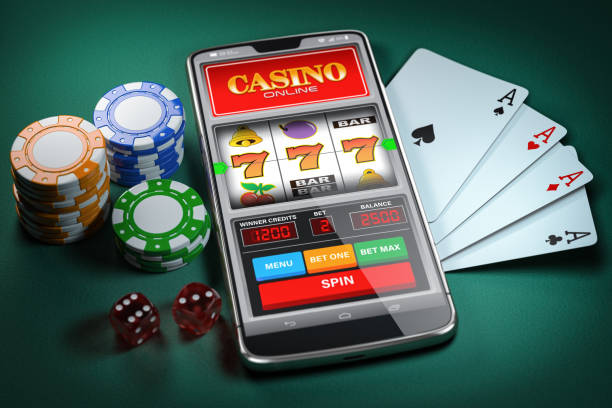
Moreover, the design of gambling environments, such as casinos, plays a significant role in attracting players. Bright lights, engaging sounds, and free amenities create a sensory-rich experience that enhances the thrill of gambling. These elements can be intoxicating, making it difficult for players to leave, as they become immersed in a euphoric atmosphere that amplifies their desires and distorts their perception of time and risk.
The randomness of gambling outcomes also fuels the thrill. Players often believe they can predict outcomes based on patterns or past results, despite the inherent unpredictability. This illusion of control can lead to a phenomenon known as «gamblers’ fallacy,» where individuals mistakenly assume that past events will influence future results. The combination of these psychological factors creates an environment ripe for gambling, drawing individuals in time and again.
One of the key psychological triggers in gambling is the concept of variable reinforcement. Unlike fixed reinforcement, where rewards are predictable, variable reinforcement provides inconsistent payouts, keeping players guessing and engaged. This unpredictability can heighten excitement and encourage continued play, as players feel that each spin or hand could be their big win. This method is particularly prevalent in slot machines, where the occasional win creates a cycle of anticipation and reward.
Additionally, the concept of “near misses” plays a crucial role in keeping players engaged. When gamblers almost win—such as hitting two symbols on a slot machine—the brain registers this as a victory, reinforcing the desire to keep playing. This can lead to a cycle of gambling, where individuals believe they are on the brink of winning, despite losing more often than not. This cognitive distortion can be dangerous, leading to a compulsive need to chase losses.
The social aspect of gambling also serves as a psychological trigger. Many players enjoy the camaraderie and competition found in casinos or online gaming platforms. Engaging with others can enhance the overall experience, making it more enjoyable and contributing to the desire to return. The fear of missing out on social interactions can compel individuals to gamble more frequently, as they seek both social validation and the thrill of the game.
The Risks of Gambling Behavior
Understanding the psychology behind gambling also requires addressing its associated risks. While many people gamble recreationally without negative consequences, others can develop harmful patterns that impact their personal lives. Compulsive gambling, or gambling addiction, can arise when individuals ignore the risks and chase after wins, often leading to financial, emotional, and relational turmoil.
The psychological effects of gambling addiction can be profound. Individuals may experience anxiety, depression, or a sense of hopelessness as they struggle to manage their gambling habits. This can create a vicious cycle where gambling becomes a coping mechanism for life’s challenges, further entrenching the individual in a damaging relationship with gambling. Recognizing the signs of gambling addiction is crucial for timely intervention and support.
Support systems play a vital role in combating the risks associated with gambling. Friends, family, and professional counselors can provide the necessary guidance and resources to help individuals confront their gambling habits. Awareness campaigns and educational programs also aim to enlighten the public about responsible gambling practices, ensuring that people recognize the fine line between enjoyment and addiction.
Cognitive biases significantly influence gambling behavior, impacting how players perceive risks and rewards. One common bias is the “illusion of control,” where gamblers believe they can influence outcomes through skill or strategy. This belief can lead to overconfidence, causing players to make riskier bets than they normally would. Understanding this bias is essential for recognizing when one’s judgment may be clouded by the desire to win.
Another prevalent cognitive bias is the “confirmation bias.” Players often seek information that confirms their existing beliefs, such as assuming they are “due” for a win after a series of losses. This selective perception can lead to chasing losses and further entrenching risky gambling behaviors. By understanding these cognitive distortions, individuals can better navigate their gambling experiences and make informed decisions.
Finally, “sunk cost fallacy” affects how gamblers view their investments. Players may continue gambling to justify previous losses, believing that additional bets will recoup their earlier investments. This fallacy can lead to increased financial losses and perpetuate the cycle of gambling. Recognizing these biases is a crucial step in developing healthier gambling habits and promoting responsible gaming.

Crazy Luck Casino UK exemplifies a commitment to responsible gaming, providing players with a wide range of gaming options while prioritizing player safety and satisfaction. With an extensive library of over 2,000 games, including slots and live dealer experiences, the casino offers engaging entertainment for both new and seasoned players. The welcoming package, featuring generous bonuses, attracts participants while ensuring they understand the importance of responsible gambling practices.
To support player welfare, Crazy Luck Casino implements several responsible gaming tools. These tools may include deposit limits, self-exclusion options, and access to educational resources. Players are encouraged to engage with these features to maintain control over their gambling behavior and enjoy gaming as a form of entertainment rather than a source of stress or financial strain.
By promoting awareness about the psychological aspects of gambling and providing a safe gaming environment, Crazy Luck Casino fosters a positive community for players. The casino’s dedication to innovative gaming solutions and player satisfaction not only enhances the user experience but also helps educate players about the importance of responsible gambling. This balanced approach ensures that everyone can enjoy the thrill of gaming while minimizing the associated risks.